
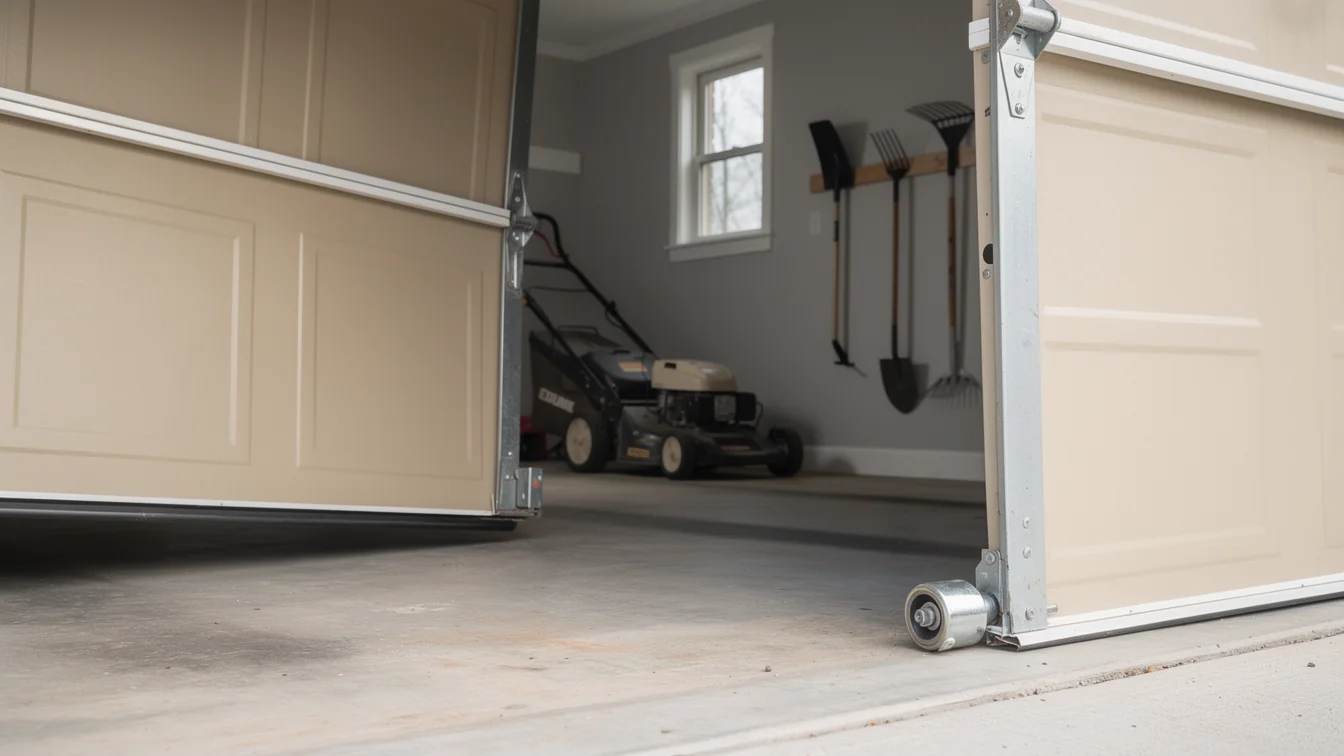
Why Your Garage Door Jumped the Track
Decatur's 1960s-70s housing stock and cold winters push garage door tracks out of alignment in specific ways.
Read moreDecatur's housing stock runs 1945 to 1996, median 1961, and cold winters are hard on torsion springs that age. Here's what to check and what it costs.
Local detail
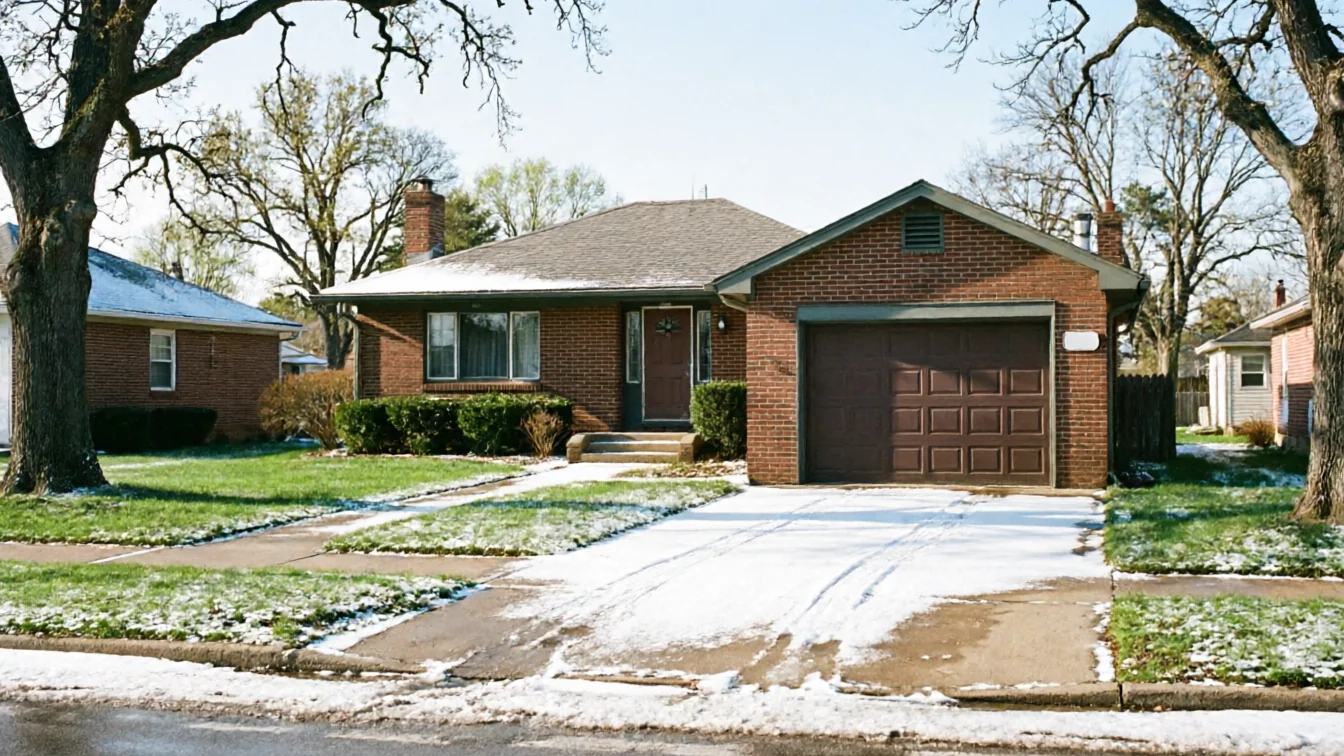
Decatur sits in a cold-moderate climate band, and that matters more for garage doors than people expect. Steel torsion springs lose a measurable amount of tension capacity as the temperature drops, and a spring that's already near the end of its cycle life is the one that snaps on the first hard freeze, not in July. That's not a scare story, it's just physics: cold steel is less forgiving steel.
What makes this worse here is the age of the housing. Most of the service area - across the 16 named neighborhoods we work in - was built between 1945 and 1996, with a median build year of 1961. A house built in 1961 has had a lot of winters to wear through a lot of springs, openers, and rollers, and a fair number of those houses are still running original or first-replacement hardware that was never rated for the cycle counts we're asking of it now. If your door was installed anywhere near that median year, you're due.
We're not saying every door in a 1961 house is about to fail. We're saying the odds shift, and cold mornings are when you find out.
The area
Before you call anyone, look at the spring itself - the coil above the door, mounted on the shaft over the header. If you see a visible gap in the coil, that's a broken spring, full stop, and the door shouldn't be opened by the opener motor again until it's fixed. Springs on older Decatur homes, especially those dating to the 1960s and 70s stock that makes up most of this area, are often the original gauge and have usually been repainted once or twice, which can hide rust pitting until it's bad.
Next, pull the emergency release and try to lift the door by hand. It should move smoothly and stay roughly where you let go. If it's heavy, drops fast, or binds partway up, something in the spring or cable system is already compromised, and running the opener against that resistance is how you burn out a motor on top of a spring problem.
Last, listen on a cold morning. A loud bang from the garage is almost always a spring letting go, and it tends to happen right when the heater first kicks the temperature down after an overnight low. If you hear that, don't test the opener - go straight to the manual release.
What we find
A torsion spring is rated for a set number of open-close cycles, and cold weather doesn't change that number so much as it changes how the spring behaves near the end of it. Metal contracts slightly in the cold, which raises stress on a coil that's already fatigued, and that's why failures cluster in the coldest stretches of the year rather than spreading evenly across the calendar.
In a lot of the houses here - built in that 1945 to 1996 window, median 1961 - the springs were sized for the door and opener combination of their era. If a door's been replaced since but the spring wasn't upgraded to match the new door's weight, or if the house still has its original torsion hardware, that spring is carrying more stress than it was designed for, cold weather or not. The cold just exposes it.
One honest limitation: we can tell you a spring is near failure by wear signs and age, but we can't tell you the exact day it'll go. Nobody can. If it's original to a 1960s build and showing rust or gap at the coil, the safe move is replacing it before it breaks, not waiting.
How we work
We don't have a flat number to quote here without seeing the door, the spring size, and whether it's a single or double door setup, and we'd rather tell you that than make one up. What drives the cost on a typical Decatur call is spring size and whether one or both springs need replacing - on a lot of these older homes, if one has failed from age, the other is usually close behind and it's worth doing both at once rather than paying for a second truck trip in six months.
Household budgets vary, and the service area's median household income sits at $73,794, which tells you this is a place where most people are weighing a repair bill against other household costs, not writing a blank check. We price the job after we see it, not before.
Questions
Cold snaps put extra stress on a spring that's already near the end of its rated cycle life. If your house dates to the 1960s or 70s, which covers most of this area, the spring may be original or an early replacement, and a hard overnight freeze is often what finally pushes it past its limit.
If your door has two torsion springs and one has broken from age, the other has usually seen the same number of cycles and the same cold-weather stress. Replacing both at once avoids paying for a second service call when the second one lets go later.
If a spring has visibly broken, yes, leave it closed and don't run the opener. But a weak or aging spring that hasn't fully broken yet won't fix itself by waiting - it'll keep losing capacity, and cold mornings are exactly when the remaining tension tends to give out.
We can't tell you that without looking at it, but a lot of houses in this area were built between 1945 and 1996, median 1961, and if yours hasn't had the spring replaced, rust pitting, flattened coil gaps, or a repainted shaft are signs it's the original.
Recommendation
More garage door guides for Decatur homeowners.
Decatur's 1960s-70s housing stock and cold winters push garage door tracks out of alignment in specific ways.
Read more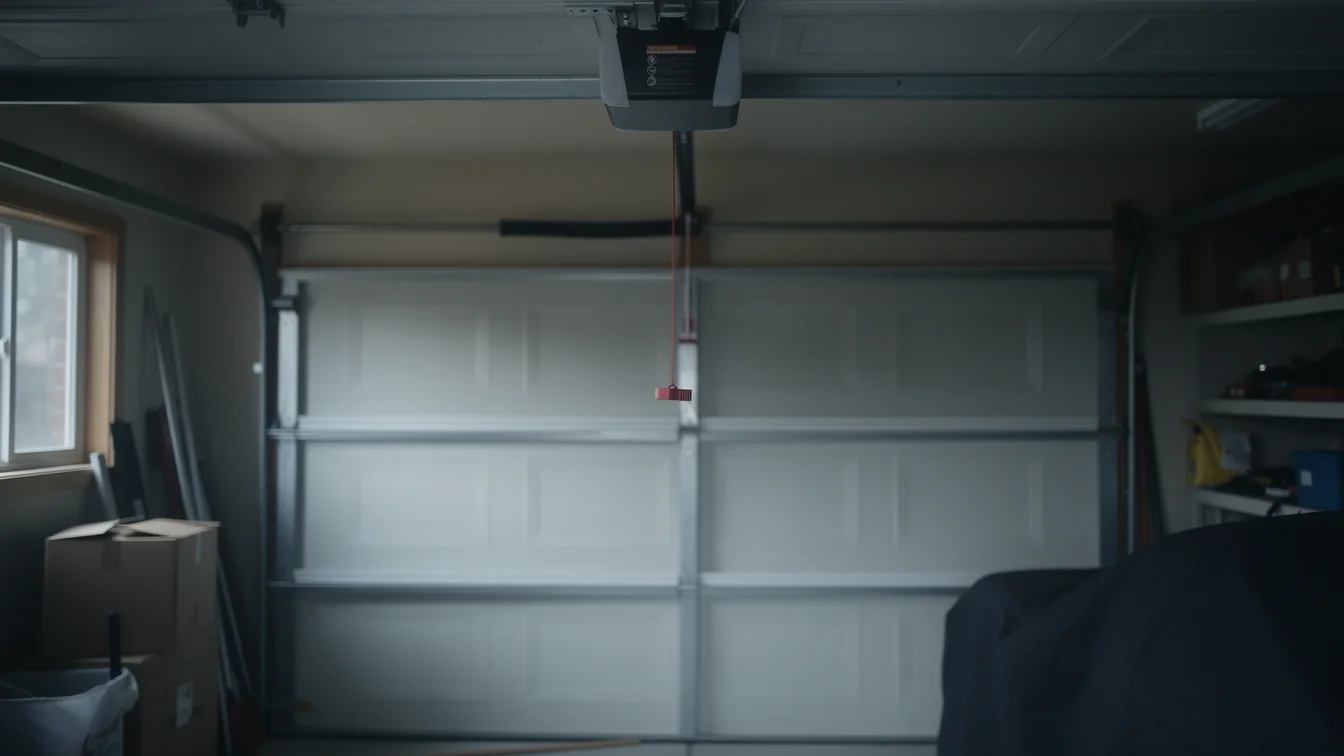
Why Decatur's 1960s-era housing stock and cold winters make openers and power cuts a real local issue, plus what to check before you call anyone.
Read more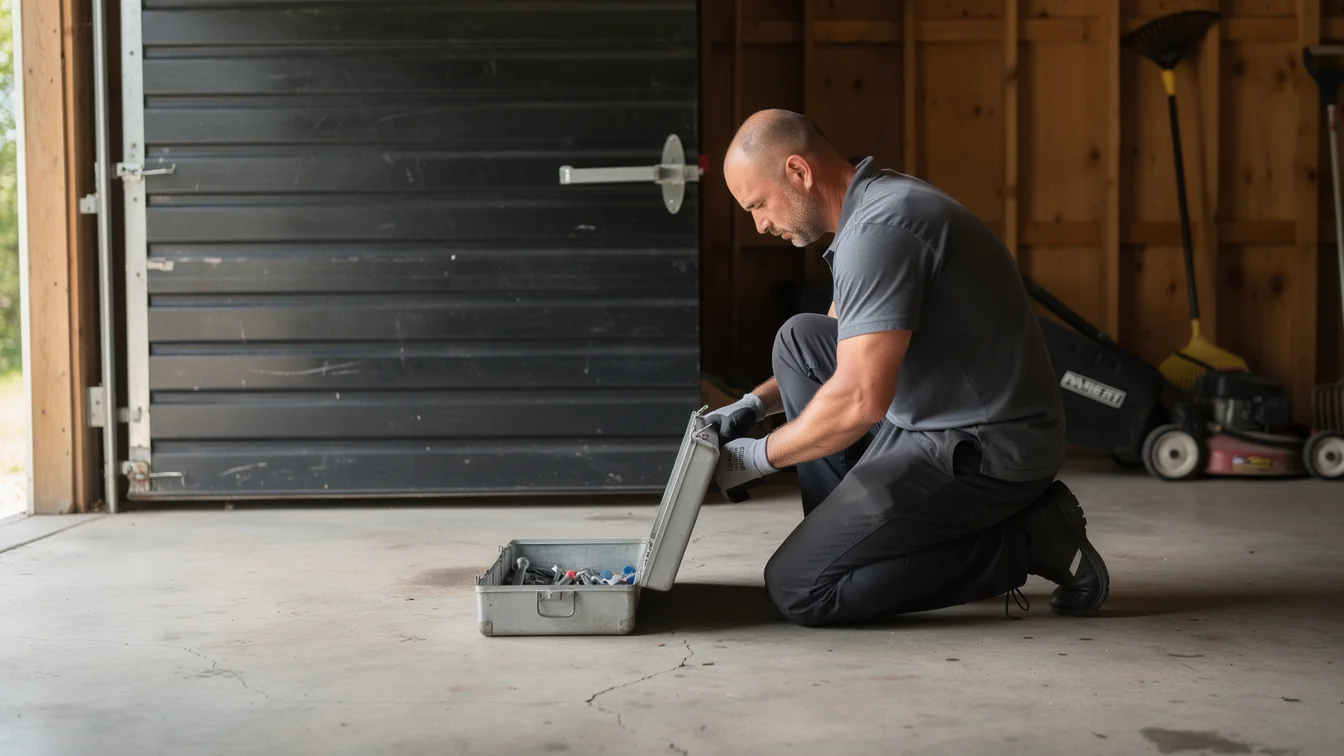
A real look at what a Decatur garage door service call checks, from 1960s torsion hardware to cold-weather opener strain, before any work starts.
Read moreReady when you are
Decatur Garage Door Pros repairs and installs garage doors, springs and openers in Decatur, IL and the surrounding area.