
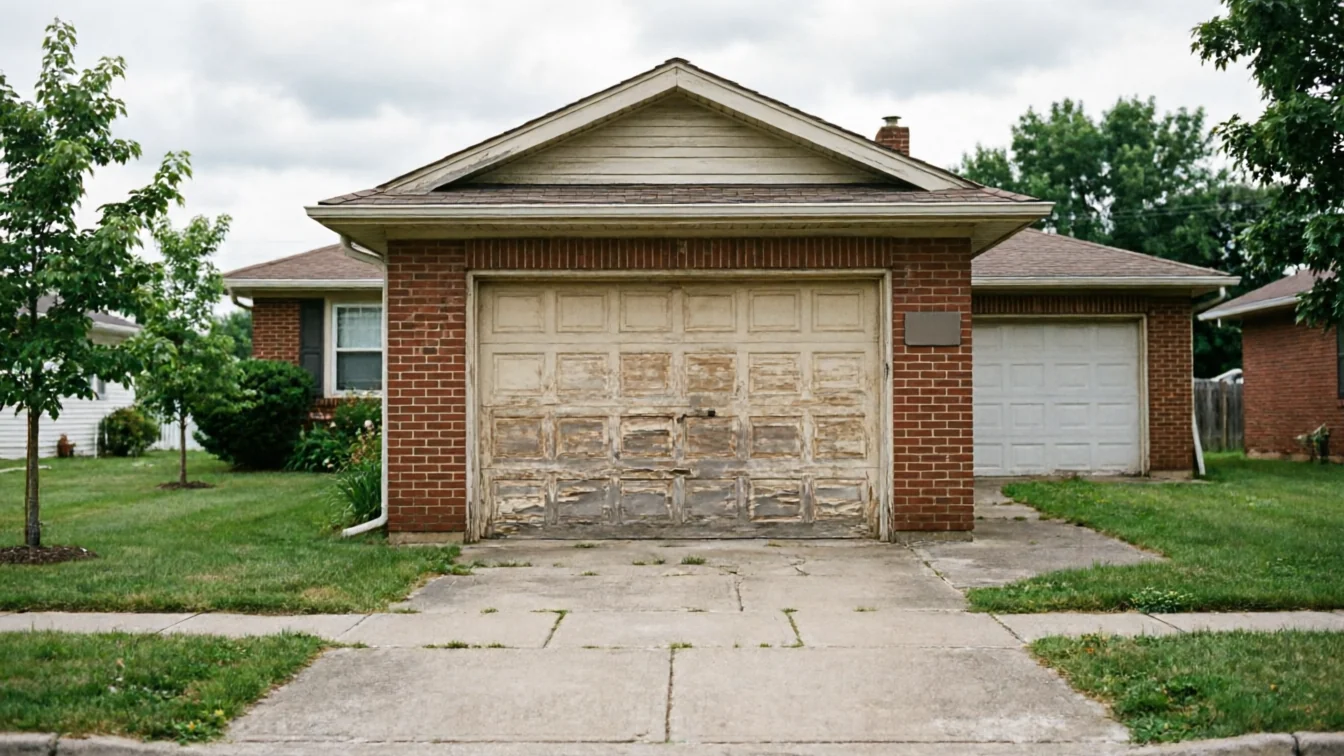
What an Older Garage Door in Decatur Is Really Worth Fixing
Decatur homes built mostly between 1961 and 1996 means older torsion springs and steel doors.
Read moreDecatur homes mostly date from the 1960s and 70s, and most garage door noise here traces back to original hardware aging out. Here's how to tell what you're hearing.
Local detail
Most of the houses in Decatur and the surrounding area went up between 1945 and 1996, with the median landing around 1961. That means a huge share of garage doors in this service area are either original hardware from that era or a replacement door hung on decades-old track and bracket hardware that nobody thought to swap out. Original steel doesn't fail the same way a newer door does - it fatigues, and fatigue makes sound before it makes a breakdown.
Decatur sits in a cold moderate climate band, which means real swings between summer humidity and winter cold. That swing matters more on a 1960s-era door because the steel, the hinges, and the factory lubrication have had sixty-plus years of expansion and contraction to work loose. A door built in the last ten years handles that cycling better because the coatings and the roller materials are different. An older door announces the cycling with sound before anything actually breaks - a squeal in January that wasn't there in July is the hardware telling you the cold took up the slack a worn roller used to absorb.
So when you're trying to figure out what a noise means in this area, the first question isn't "is this normal" - it's "how old is the hardware actually under that door," because a lot of doors here were repainted or resurfaced without anyone touching the track, hinges, or spring.
The area
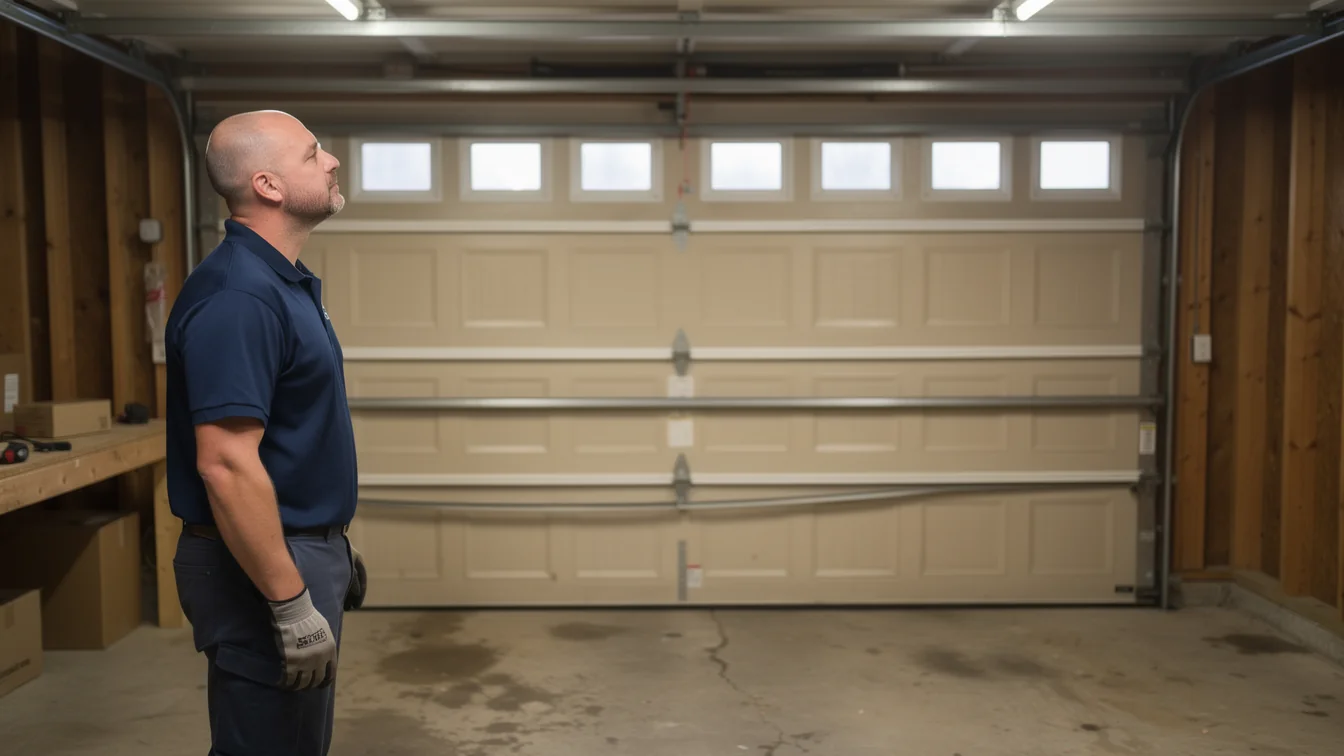
Before you call anyone, do this with the door closed and the opener unplugged. Pull the release cord so the door is in manual mode, then lift it by hand slowly and listen along its full travel, not just at the top or bottom.
A rhythmic metallic clunk that repeats every foot or so is almost always a roller - on hardware this age, steel rollers riding in hinges are common, and steel-on-steel wears loud long before it wears to failure. A sharp bang, single and sudden, especially if it happened when you weren't touching the door, usually means a spring, and that is not a DIY fix - torsion springs under tension have put people in the ER.
A grinding or scraping sound that tracks with the door's movement, rather than repeating at intervals, points to the track itself being out of alignment, which on a house with 1960s framing is often a sign the track brackets have worked loose from the jamb over the decades rather than anything wrong with the door panel.
A high squeal that's worse on cold mornings and fades as the day warms up is lubrication, plain and simple, and it's the one thing on this list you can fix yourself with the right product and ten minutes, no truck required.
What we find
Given how much of the housing stock in this area dates to the 1960s and 70s, the noises we hear about most often come down to a short list: original torsion springs well past their rated cycle count, steel rollers that were never upgraded to nylon, and track hardware mounted to framing that's had sixty years to shift slightly. None of these are defects - they're just what happens to hardware over that much time in a climate with real seasonal swings.
What we don't do is replace a whole door because of a noise. A loud roller on an otherwise sound door is a roller job, not a door job, and we'll tell you that even if the louder sale is the door. Where replacement does make sense is when the door panel itself has rusted through at the bottom corners or the spring has already been rewound once and is showing fatigue again - at that point you're paying for parts and labor twice instead of once.
The honest limitation here: we can usually tell you what's wrong by sound and by looking at the hardware, but we can't always tell you how much life is left in original 1960s-era springs without putting a cycle count on them in person. A spring that sounds fine today can go tomorrow - that's the nature of fatigued steel, not a failure to diagnose it.
How we work
We don't have a flat number to quote here without seeing the door, because a roller swap and a full spring replacement on original hardware are not close in cost, and lying to you with a round number before we've looked wouldn't help either of us.
What we can tell you is how we think about it given this area: with median household income here around $73,794 and most households owning their home rather than renting, we see a lot of homeowners who'd rather fix the specific worn part than replace a door that's otherwise structurally fine. That's usually the right call on houses from this era, where the panel steel has often outlasted the moving hardware.
We'll tell you on-site which repairs are worth doing and when the hardware has aged out enough that patching one part just means we're back for the next one in six months. That's not an upsell - it's the same math you'd do on any sixty-year-old mechanical system in your house.
Questions
That pattern points to lubrication, not a failing part. Cold mornings stiffen old grease on hinges and rollers, and it loosens as the metal warms. It's common on the 1960s and 70s-era hardware common around here. Lubricate the hinges, rollers, and track with the right product - not WD-40, which washes grease out rather than replacing it.
Steel hardware fatigues gradually, and this area's cold moderate climate means real seasonal cycling that speeds that up. A door that was quiet five years ago can develop a new rattle or squeal as rollers wear or spring tension drifts, even with no single dramatic failure. Sound is often the earliest sign of wear on older hardware.
Usually not. Most noise complaints on houses from this era trace to a worn roller, loose track bracket, or aging spring - all repairable without replacing the door panel itself. Replacement makes sense when the panel has rusted through or a spring has already failed once and shows fatigue again.
If the noise is a steady squeal that fades after lubrication, that's a reasonable maintenance habit on older hardware. If you hear a sudden bang, a repeating metallic clunk, or grinding that tracks with the door's movement, lubrication won't fix the underlying part and continuing to run the door risks a bigger failure.
Recommendation
More garage door guides for Decatur homeowners.
Decatur homes built mostly between 1961 and 1996 means older torsion springs and steel doors.
Read more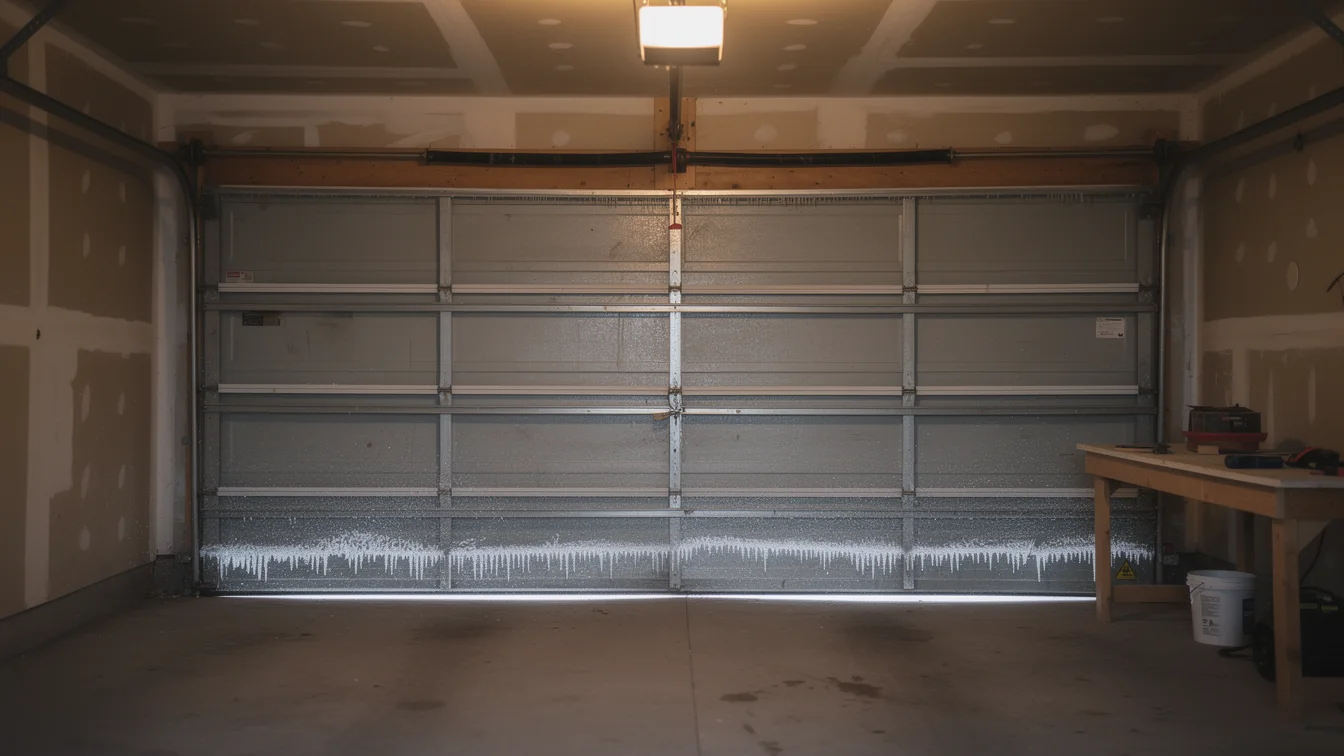
Decatur garage door repair for 1960s-era homes built before 1976 energy codes, serving cold-climate hardware fixes and honest replacement advice today.
Read more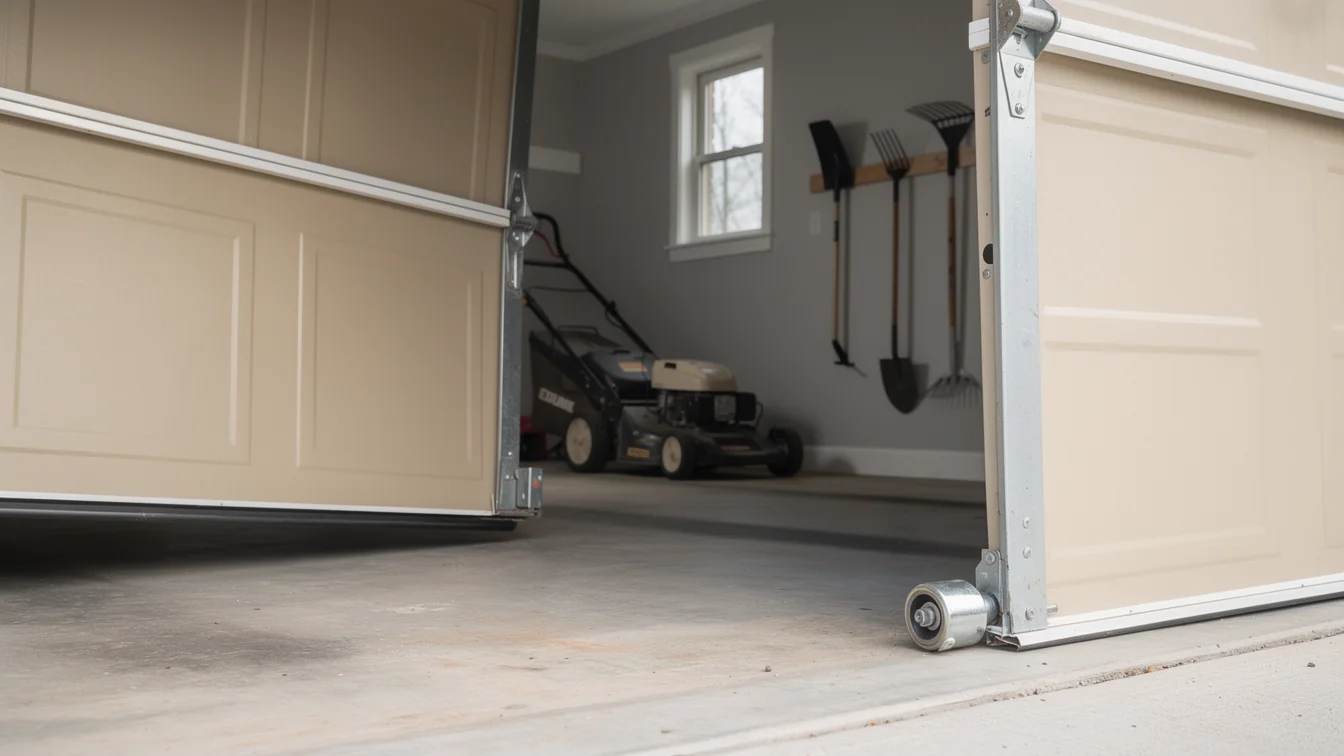
Decatur's 1960s-70s housing stock and cold winters push garage door tracks out of alignment in specific ways.
Read moreReady when you are
Decatur Garage Door Pros repairs and installs garage doors, springs and openers in Decatur, IL and the surrounding area.