
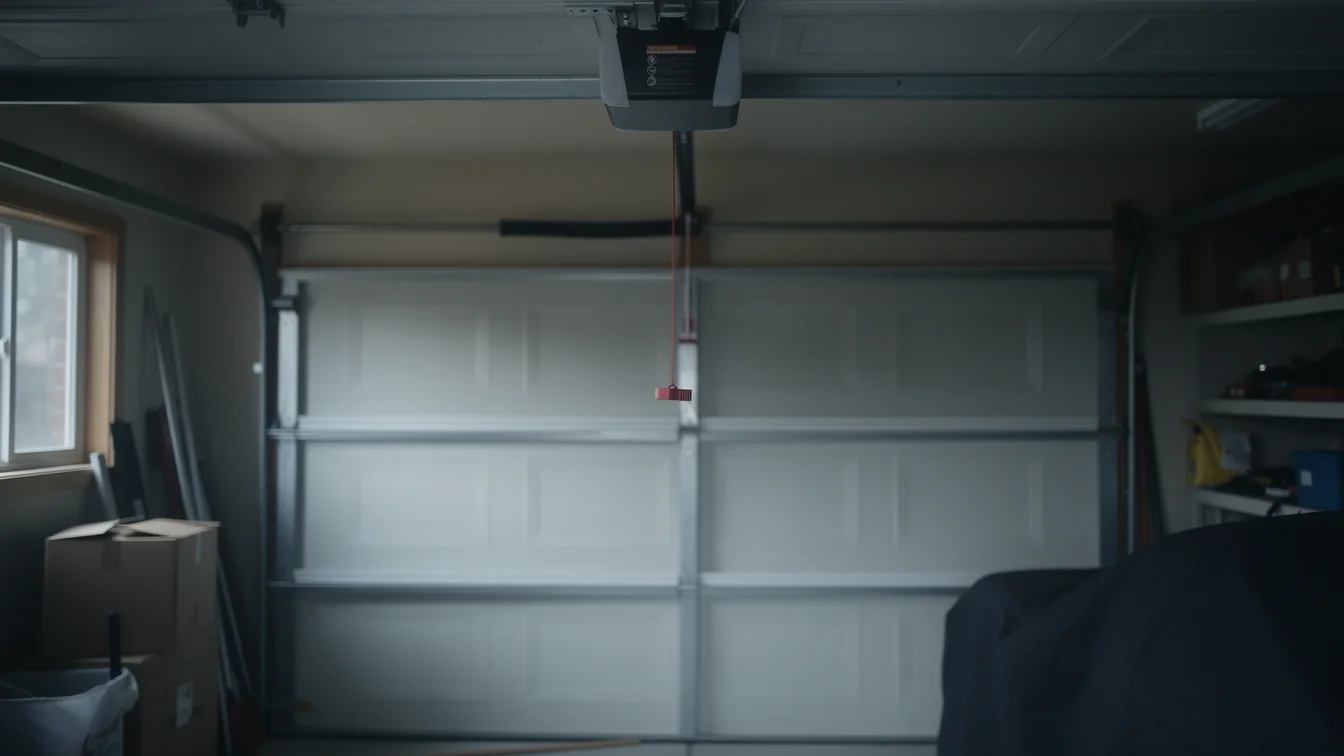
When the Power Goes Out and the Opener Won't: A Decatur Look
Why Decatur's 1960s-era housing stock and cold winters make openers and power cuts a real local issue, plus what to check before you call anyone.
Read moreDecatur garage door repair for 1960s-era homes built before 1976 energy codes, serving cold-climate hardware fixes and honest replacement advice today.
Local detail
Most of the houses we work on around Decatur went up between 1945 and 1996, with the typical build year landing around 1961. That means a lot of the doors we see came with the house - original steel sections, original torsion or extension springs, and in plenty of cases original track that's never been swapped. Across the sixteen communities we cover, from Forsyth and Mount Zion out to Bement and Lovington, the pattern repeats: 1960s and 1970s stock dominates, built to the standards of that era, not this one.
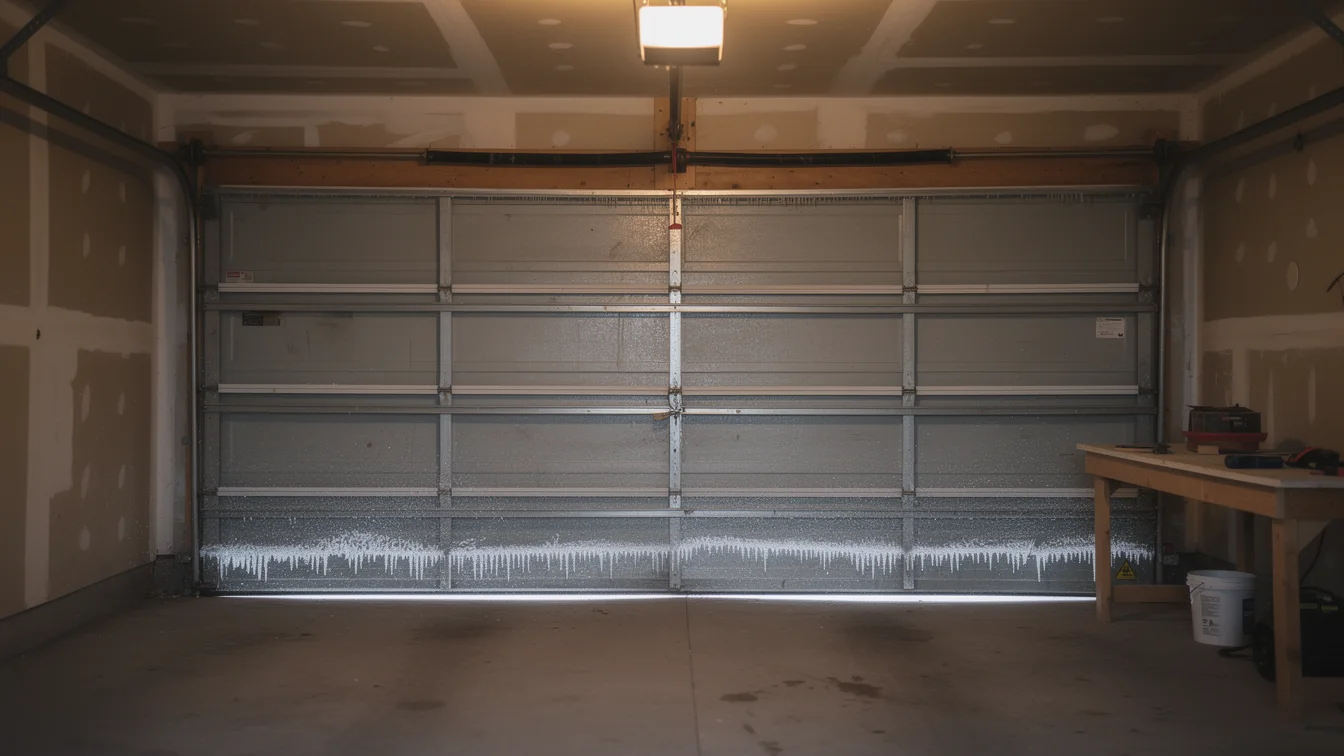
The climate here is the other half of the problem. We sit in a cold, moderate band - real winters, real temperature swings between seasons - and that cycle works on steel, bearings, and seals every single year. A door built in 1963 wasn't designed with today's weatherstripping or insulated panel cores in mind. It was designed to open and close, full stop. Put that door through sixty winters of expansion and contraction and you get the complaints we hear most: a door that drags in January, a spring that lets go without warning, rollers that have worn their tracks into a shape they shouldn't be. None of that is random. It's the age of the stock meeting the weather it sits in.
The area
Before you call anyone, a few things you can check from the garage floor. Pull the release handle with the door closed and lift the door by hand - if it's hard to lift past waist height, or it drops on its own, the spring is losing tension, which is common on doors from the 1960s-70s era that have never been re-tensioned. Run a hand along the bottom weatherstrip on a cold day; original or early-replacement seals on older homes harden and crack in our winters and stop sealing the slab gap entirely.
Look at the track where it bolts to the wall studs. On houses from this build era, that bracket was often sized for a lighter door than what's hanging on it now if the door's ever been replaced without upgrading hardware. Rust bloom at the bottom roller brackets is also worth a look - standing moisture off winter melt sits there longer than anywhere else on the door.
None of this tells you exactly what's wrong, but it tells you whether you're looking at a seal job, a spring job, or something structural. That's useful to know before a truck shows up, and it's free to check.
What we find
The core issue on a house built in the 1945-1996 range, especially the 1960s and 70s majority, is that the door and its hardware were matched to construction standards from decades ago. Panels from that era are often single-layer steel with no foam core, which means no real R-value and a lot of surface area for cold to work against on a winter morning. Springs were sized to lift that lighter, uninsulated panel - swap in a heavier insulated replacement door later without upgrading the spring, and you get a door that strains every cycle.
Bearings and rollers on original hardware weren't built for sixty years of service. Steel fatigues, especially with the stop-and-go of a cold-climate winter where metal contracts, flexes, and takes on temperature-driven stress far more than it would in a mild-climate house. That's why failures on this stock tend to come in clusters after a hard cold stretch rather than evenly across the year.
We can't tell you the exact age of your specific door or spring without seeing it - that's not something we'll guess at from a build year alone. But the combination of the era this area was built in and the winters it sits through is the reason repairs here skew toward springs, seals, and bearing replacement rather than, say, opener electronics.
How we work
We're not going to put a number here that we can't back up - pricing depends on door size, spring weight, and what's actually failed, and that varies house to house even within the same subdivision. What we can tell you is what drives the cost on homes in this area specifically: a lot of the 7,918 owner-occupied houses across the communities we serve are still running original or first-generation replacement hardware, and that hardware doesn't match today's stock parts. A torsion spring sized for a 1960s-weight panel isn't the same part a supply house hands you off the shelf for a modern insulated door, so a repair on an older setup sometimes takes a special order rather than a same-day fix.
The honest limitation here: if your door and spring are both original to a house built in the early 1960s, we may recommend replacement over repair once we're on site, because sourcing exact-match parts for hardware that old can cost more in time than a new door costs in dollars. We'd rather tell you that up front than have you wait on a part that's hard to find.
Questions
Yes. We cover Decatur and the surrounding communities, including Forsyth, Mount Zion, Long Creek, Harristown, and the other towns within roughly a 20-mile stretch. The housing stock and the winters are similar across that whole area, so the same issues show up.
A door built in that era for this area was often a single-layer steel panel without foam insulation, matched to a spring sized for that lighter weight. If the spring has weakened over the decades, or if the door's been swapped for a heavier insulated one without a spring upgrade, lifting it by hand gets noticeably harder.
It depends on what's actually failed. A seal or roller job on an otherwise sound door is usually worth doing. But if the spring and track are both original and failing, sourcing exact parts for hardware that old can take longer and cost more than putting in a new door, so we'll tell you straight if that's the case once we've looked at it.
Steel hardware contracts and flexes with hard temperature swings, and original hardware from the 1960s and 70s wasn't built to handle sixty-plus winters of that stress. We see clusters of spring and bearing failures right after a stretch of hard cold rather than evenly through the year.
Recommendation
More garage door guides for Decatur homeowners.
Why Decatur's 1960s-era housing stock and cold winters make openers and power cuts a real local issue, plus what to check before you call anyone.
Read more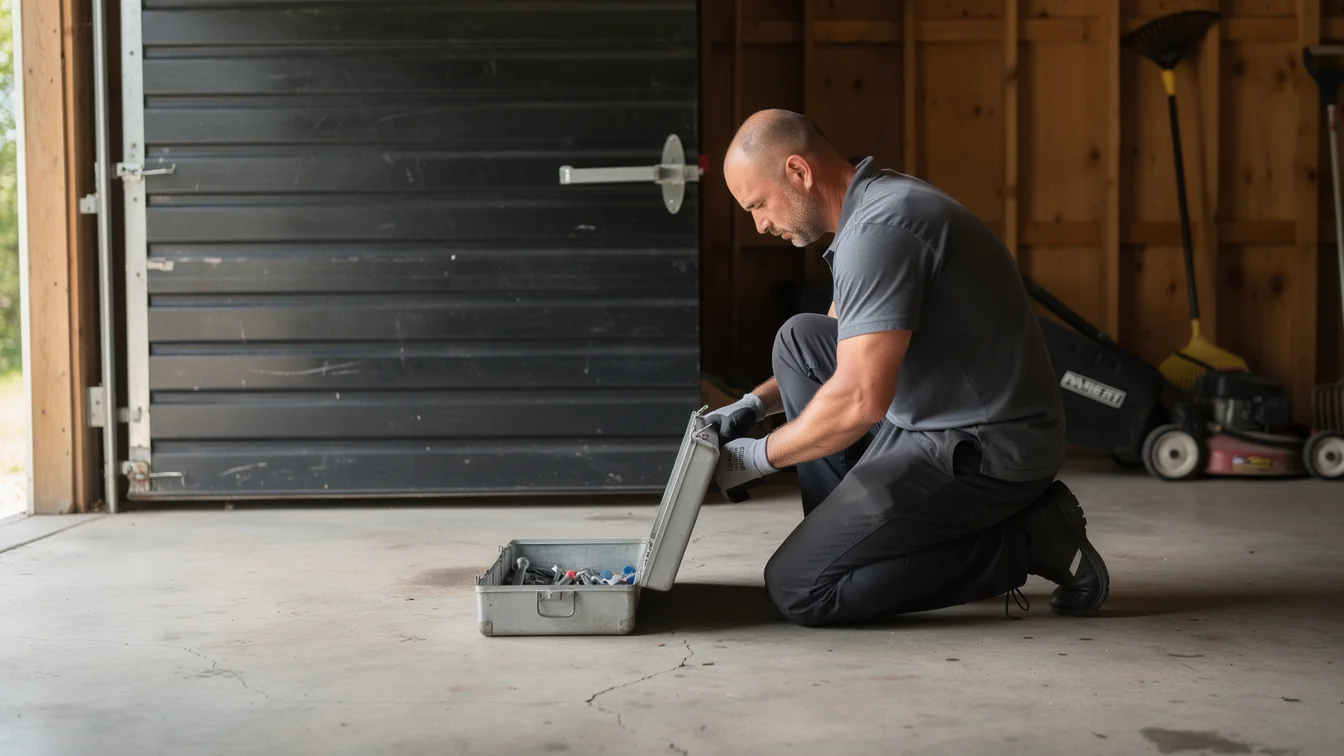
A real look at what a Decatur garage door service call checks, from 1960s torsion hardware to cold-weather opener strain, before any work starts.
Read more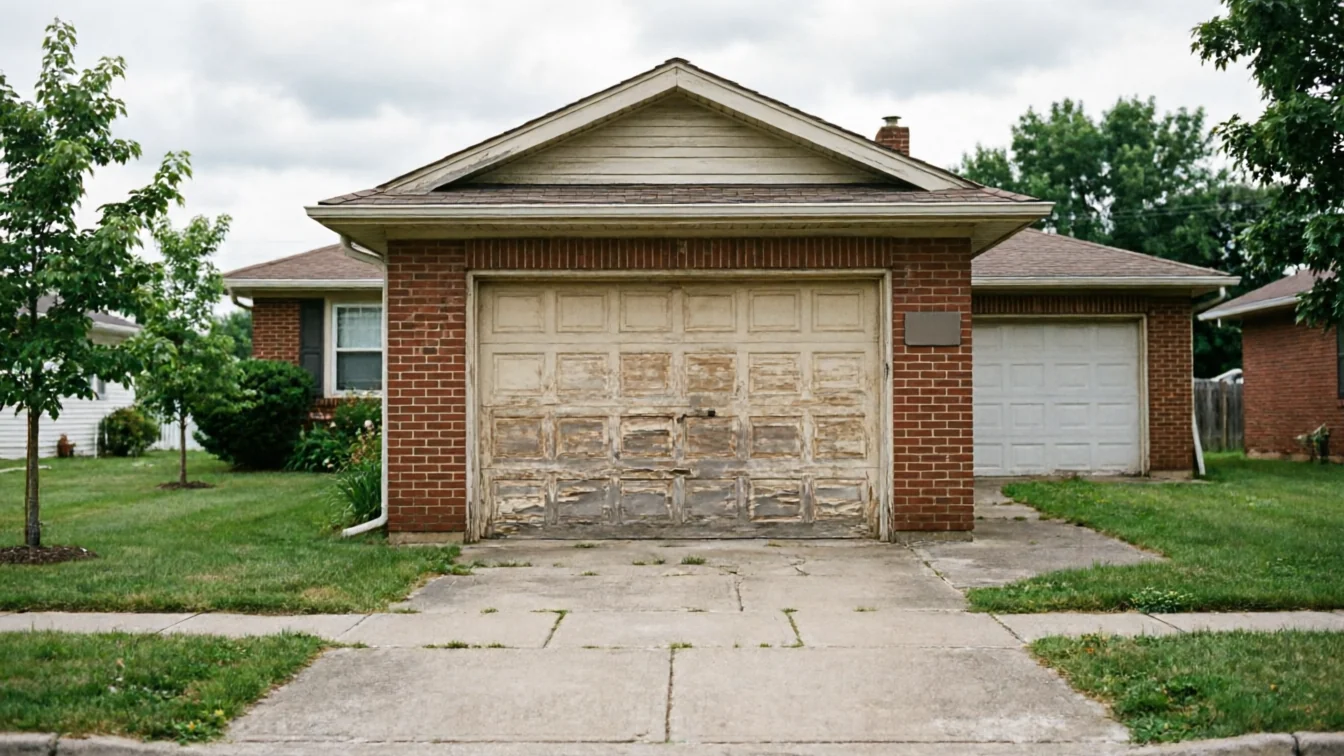
Decatur homes built mostly between 1961 and 1996 means older torsion springs and steel doors.
Read moreReady when you are
Decatur Garage Door Pros repairs and installs garage doors, springs and openers in Decatur, IL and the surrounding area.